


Spooky, Solemn, or Celebratory? Understanding Autumn’s Trio of Observances
How Halloween, All Saints’ Day, and Día de los Muertos compare—and how to explore their shared themes with your kids.
As October wraps up and the autumn leaves fall, our calendars fill with a trio of late-fall observances that often get bunched together: Halloween, All Saints’ Day, and Día de los Muertos! While they share a spot on the calendar and a focus on the spirit world, each holds a very special meaning, tone, and history for families in our community and around the globe. Here’s a quick guide for parents to help unpack how these three unique celebrations differ, where they overlap, and how they enrich our understanding of different cultures!
The late-fall triad of Halloween, All Saints' Day, and Día de los Muertos creates one of the most culturally rich periods of the calendar year. While all three occur between October 31 and November 2 and center on the realm of spirits and memory, they represent fundamentally different cultural traditions, emotional tones, and ways of honoring the past.
Here is a side-by-side snapshot for parents to easily compare all three observances:
|
|
Halloween |
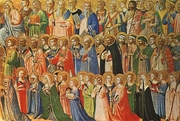
All Saints’ Day |
Día de los Muertos |
|
Primary Dates |
October 31 |
November 1 |
November 1–2 |
|
Cultural Origins |
Ancient Celtic (Samhain) Western Christian |
Western Christian (Catholic / Anglican)
|
Indigenous Mesoamerican (Aztec) Catholic |
|
Core Intent |
Playful thrills neighborhood community seasonal fun |
Faith solemn reflection honoring Christian saints |
Welcoming departed loved ones back for a reunion |
|
Overall Mood |
High-energy, spooky, mischievous |
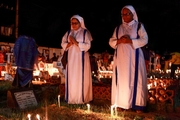
Quiet, peaceful, reverent |
Vibrant, warm, festive, joyful |
|
Key Symbols & Traditions |
Costumes trick-or-treating Jack-o'-lanterns |
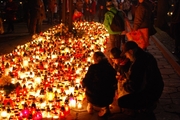
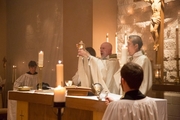
Church liturgy candle lighting quiet prayer |
Ofrendas (altars) Cempasúchil (marigolds) Pan de muerto (bread) & Sugar skulls |
Halloween (October 31)
-
Origins: Traces back to Samhain, an ancient Celtic harvest festival marking the end of the summer and the transition into the dark, cold winter. It was believed that the boundary between the living and the dead became blurred on this night.
-
Modern Focus: Evolved through centuries into a community-centered, playful event.
-
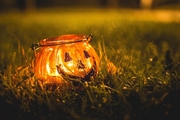
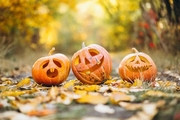
Key Elements: Costumes (originally worn to ward off roaming spirits), trick-or-treating, carving pumpkins into Jack-o'-lanterns, and sharing lighthearted scares and ghost stories.
All Saints’ Day (November 1)
-
Origins: Established by the Western Christian Church (Pope Gregory III moved the observance to November 1 in the 8th century) to consolidate honoring all saints and martyrs, known and unknown.
-
Modern Focus: A holy day of obligation and quiet reflection in Catholic and high-church Protestant traditions, followed by All Souls' Day on November 2 (focused on praying for the departed souls of loved ones).
-
Key Elements: Attending church services, lighting candles, spending time in prayer, and reflecting on spiritual role models.
Día de los Muertos (November 1–2)
-
Origins: Deeply rooted in indigenous Mesoamerican traditions—specifically Aztec rituals dedicated to the goddess Mictecacihuatl—merged with European Catholic traditions after the Spanish conquest.
-
Modern Focus: A joyous celebration viewing death as a natural part of the human continuum. Rather than mourning loss, families welcome the temporary return of their ancestors' spirits to share in food, music, and love.
-
Key Elements:
-
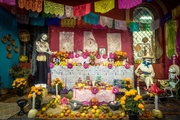
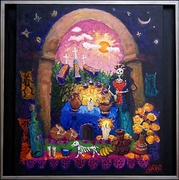
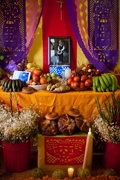
Ofrendas (Altars): Multi-tiered altars built in homes decorated with family photos, candles, favorite foods, and personal items.
-
Cempasúchil (Marigolds): Bright orange flowers whose vibrant color and scent are believed to guide spirits back home.
-
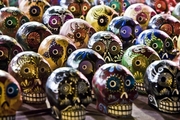
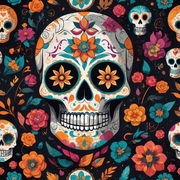
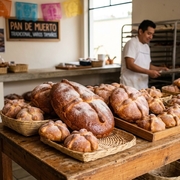
Pan de Muerto & Sugar Skulls: Traditional sweet bread baked for the occasion and colorful decorative skulls representing departed souls.
-
Talking to Kids About the Shared Themes
When explaining these observances to young learners, focus on the overlapping threads that bring them together:
-
Harvest & Autumn: All three coincide with the change of seasons and early winter preparation.
-
Family & Ancestry: Each holiday encourages families to pause and remember those who came before us—whether through storytelling, prayer, or honoring family memories around an altar.
-
Cultural Appreciation: Understanding these three distinct celebrations teaches children that different cultures across the world approach memory, family, and the spirit world with beauty, creativity, and unique traditions.
