


Family and Consumer Sciences (FACS) Why These Classes Matter
FACS no longer looks like Home Ec of the past...
March 05, 2026
 Launch the media gallery 1 player - media #1
 Launch the media gallery 1 player - media #2
 Launch the media gallery 1 player - media #3
 Launch the media gallery 1 player - media #4
 Launch the media gallery 1 player - media #5
 Launch the media gallery 1 player - media #6
 Launch the media gallery 1 player - media #7
 Launch the media gallery 1 player - media #8
 Launch the media gallery 1 player - media #9
 Launch the media gallery 1 player - media #10
 Launch the media gallery 1 player - media #11
 Launch the media gallery 1 player - media #12
 Launch the media gallery 1 player - media #13
 Launch the media gallery 1 player - media #14
 Launch the media gallery 1 player - media #15
 Launch the media gallery 1 player - media #16
 Launch the media gallery 1 player - media #17
 Launch the media gallery 1 player - media #18
 Launch the media gallery 1 player - media #19
 Launch the media gallery 1 player - media #20
Family and Consumer Sciences (FACS) classes in high school are far more than “home economics” of the past. Today, they are dynamic, hands-on courses that prepare students for lifelong health, wellness, informed decision making, career paths, prioritizing and staying organized and mastering life skills for a better life and future.
This quarter the FACS students have hit the ground running! All classes were introduced to a mini-class/unit answering the question… What exactly is FACS? There are many career pathways that start with the building blocks and foundations deeply rooted in the arena of FACS.
Our Lifespan Development Class and Early Childhood Education Class has been fully immersed in the study of real-world skills and knowledge needed to work with children ranging in age from infancy through adolescence. They haven’t learned just about how children grow, but they have also observed how they interact and even have designed learning experiences for hosting a preschool in April. Area children ages 3-5 not currently attending the programs at Marshall Elementary will have the opportunity to attend the Pre School hosted by EJSHS.
We also learned about the history of Hopscotch and how it is considered more than just a game. Hopscotch supports physical development, cognitive development and social development. By our students analyzing activities like this, students can see how everyday play can be a powerful developmental tool. You can learn more about the history of Hopscotch as well as the benefits by selecting the link below.
Of course the actual science behind play wouldn’t be complete without learning about a few of the “fathers” who pioneered the study and support of brain development. We traveled through the eras of Jean Piaget, Lev Vygotsky and Erik Erikson to name a few. Their theories come alive when students see them in action through children negotiating turn-taking or experimenting with the building blocks of problem solving.
Why does it matter? These classes offered by EJSHS are truly career incubators that students are able to leave with a foundation in developmental psychology along with a sense of whether they want to pursue careers in education, child psychology, pediatric healthcare or related fields. Students also acquire practical teaching and observation skills as well as an understanding of how to design engaging, educational activities.
Exploring Wellness Through High School FACS: From Nutrition to Smart Snacking
Family and Consumer Sciences (FACS) Nutrition and Wellness class at EJSHS began our semester by immersing ourselves in the 8 Dimensions of Wellness. We explored how our physical, emotional, intellectual, social, spiritual, environmental, occupational, and financial health provides a holistic framework for our wellbeing and the interconnectedness of lifestyle choices.
We then moved onto a focus on nutrition especially in the areas of grains, fats, proteins, hydration and the “new” food pyramid in which proteins now encompass the base portion of the pyramid and grains are at the tippy top! We then “stretched” our minds and became adventurous in exploring Alternative Proteins which included beans, lentils, tofu and plant based proteins.
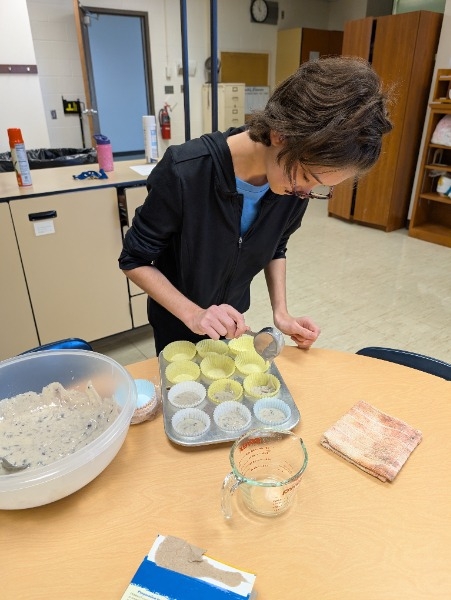
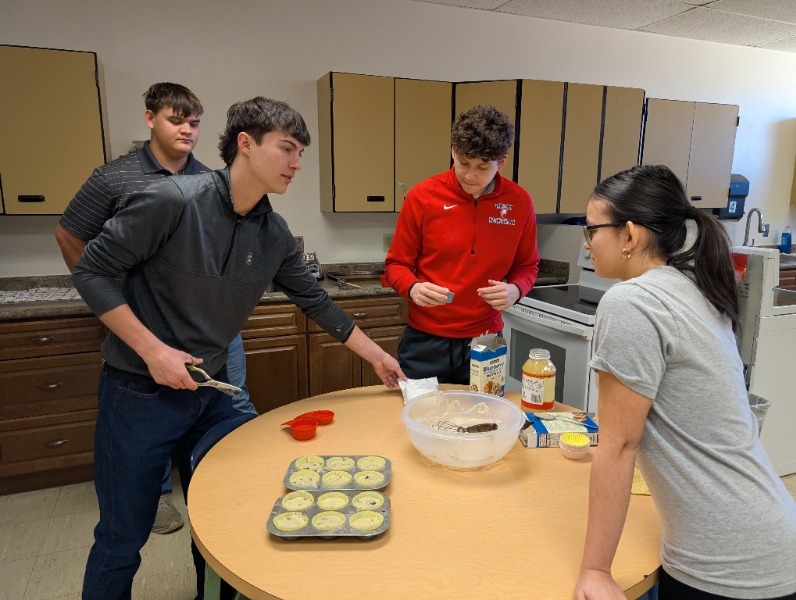
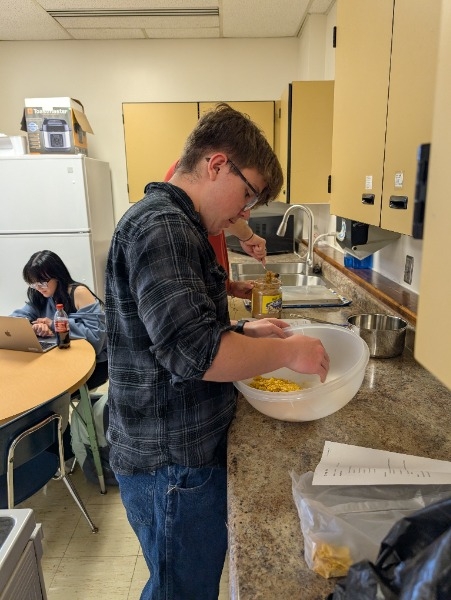
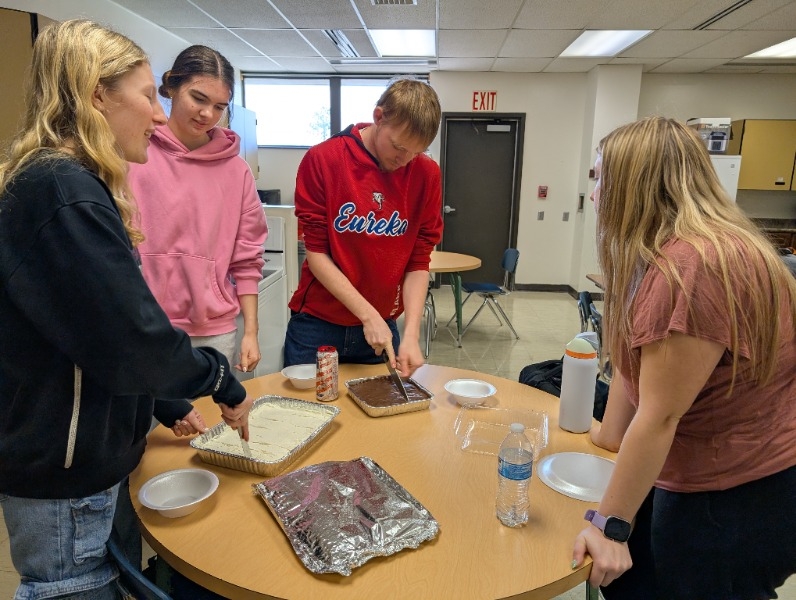
Additional kitchen labs enabled us to experiment with substituting applesauce in the place of vegetable oil when baking blueberry muffins. We noted that the muffins with the applesauce had a higher moisture content, tasted fabulous and had a lower fat content. We then did a side by side comparison of nutritional values between the applesauced muffins vs the vegetable oil muffins.
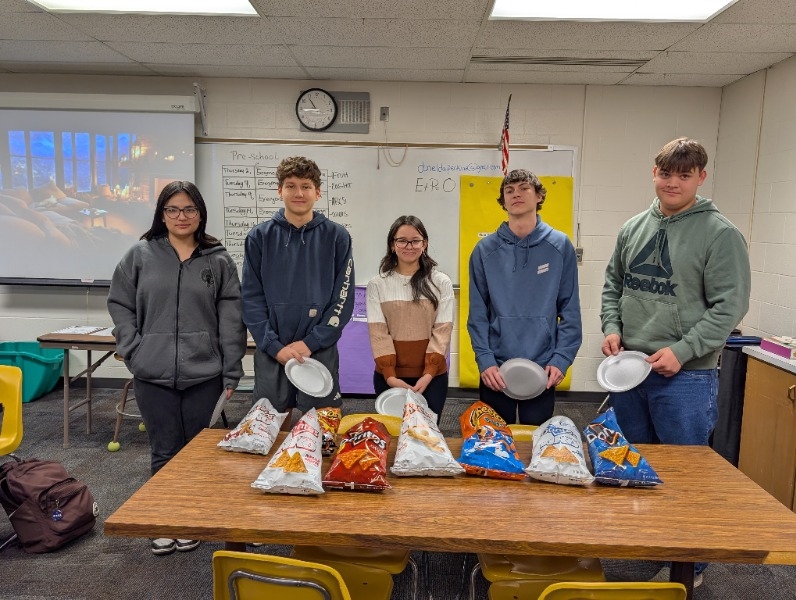
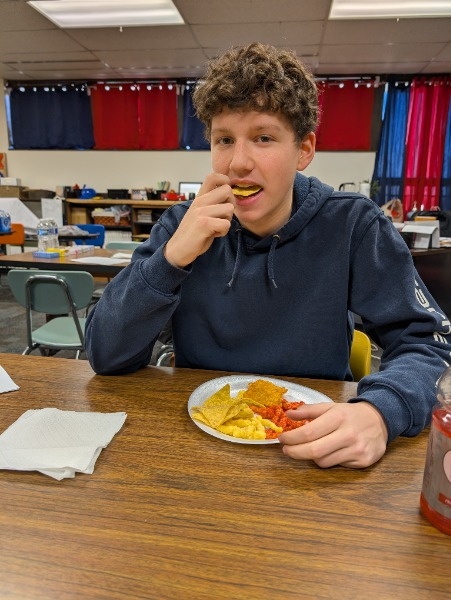
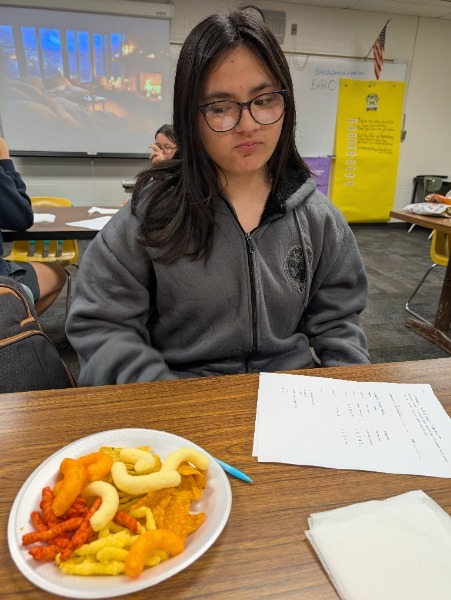
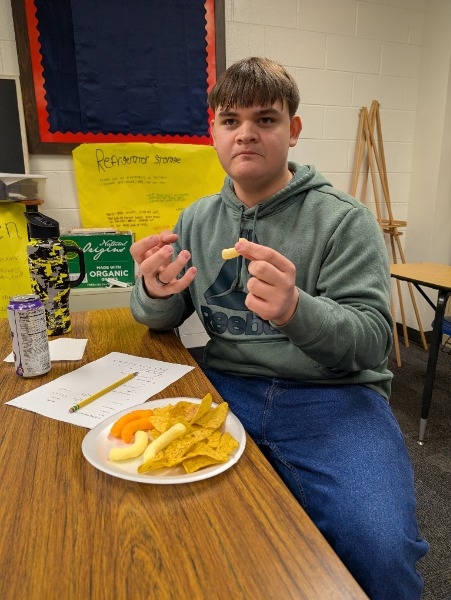
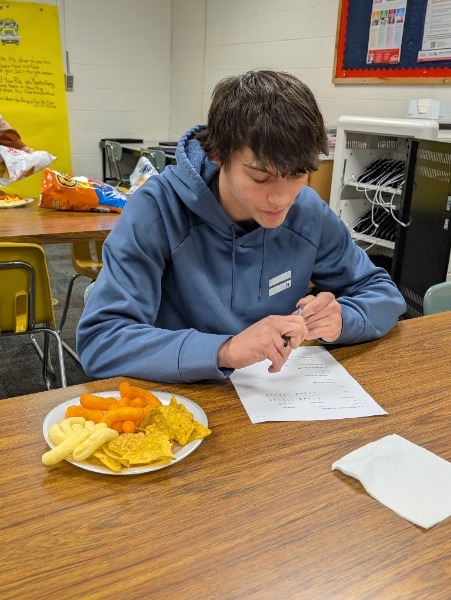
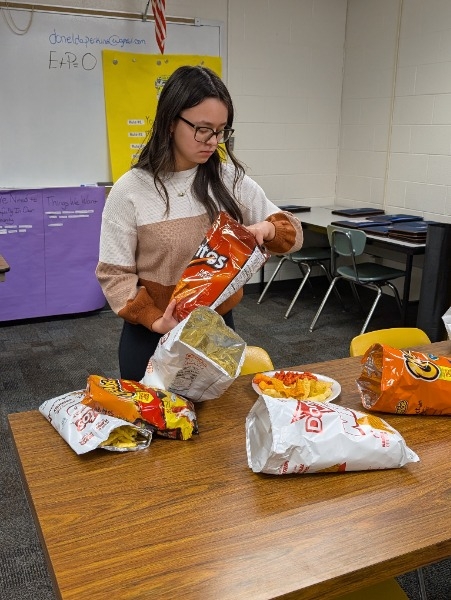
This lab set us out on a mission, it stimulated the discussion surrounding snack science. We decided to stage our own side-by-side taste and nutrition comparison to evaluate NKD Chips against their popular counterparts like Nacho Cheese Doritos, Flamin’ Hot Cheetos, Cool Ranch Doritos and Cheese Puffs. We noted that the NKD Chips had few artificial colors, lower sodium and more protein; however, they can be more expensive. Our critical consumer skills led us to wonder if the nutritional benefits justified the price difference. Our main goal and objective with these types of experiments are to provide our students with tools they can use for life. They can learn that wellness is not about perfection but it is about making informed, balanced choices that fit their needs, values and lifestyles.
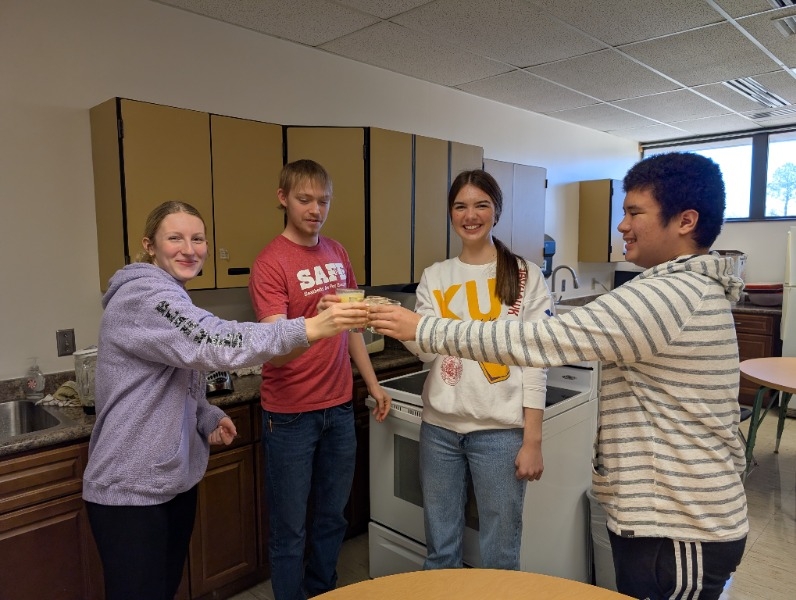
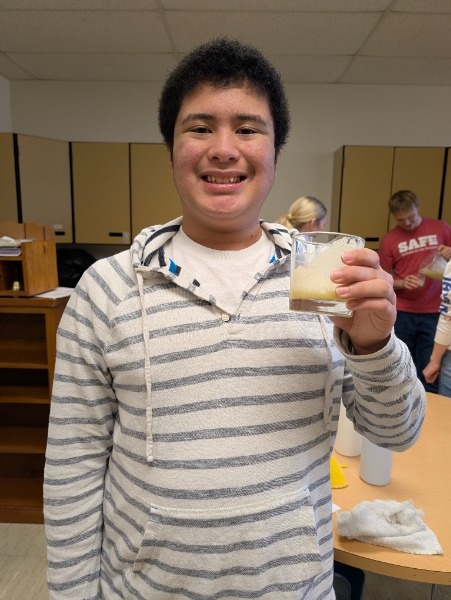
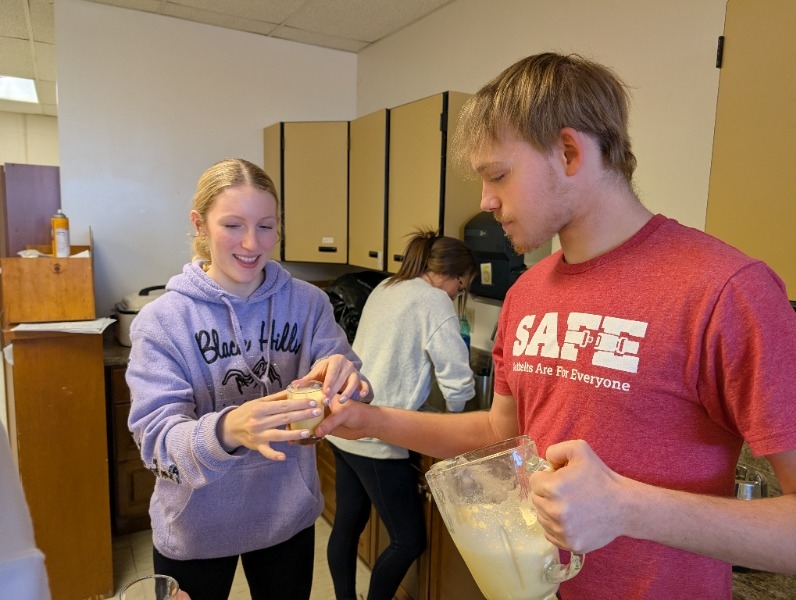
Our most recent adventure led us to water. We all know that water is essential for hydration of the human body. We can survive 3 weeks without food; however, we can only survive 3 days without water. Water has a taste that can vary from location to location. But did you also know that purified water has depleted many of the natural minerals found in raw water. We learned about the water system in place in Paris, France and the steps and processes this country takes to ensure that everyone has access to a free and healthy water supply.
You can view this process by watching the video Down to Earth with Zac Efron.
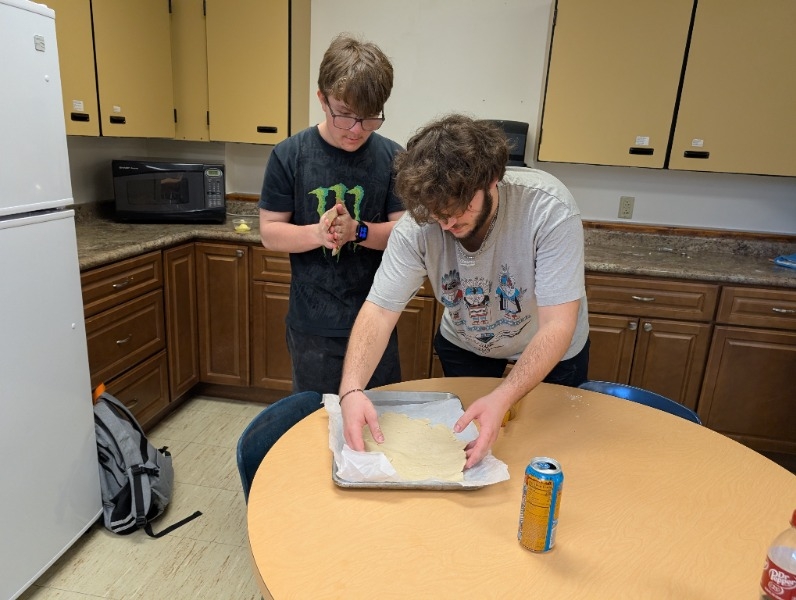
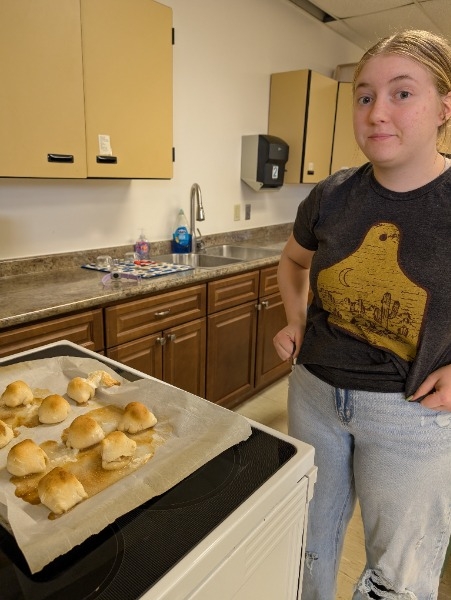
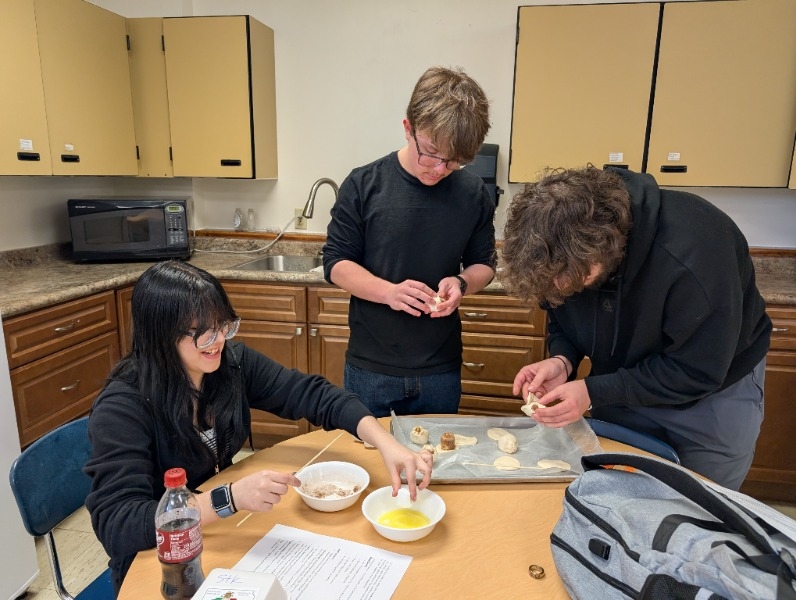
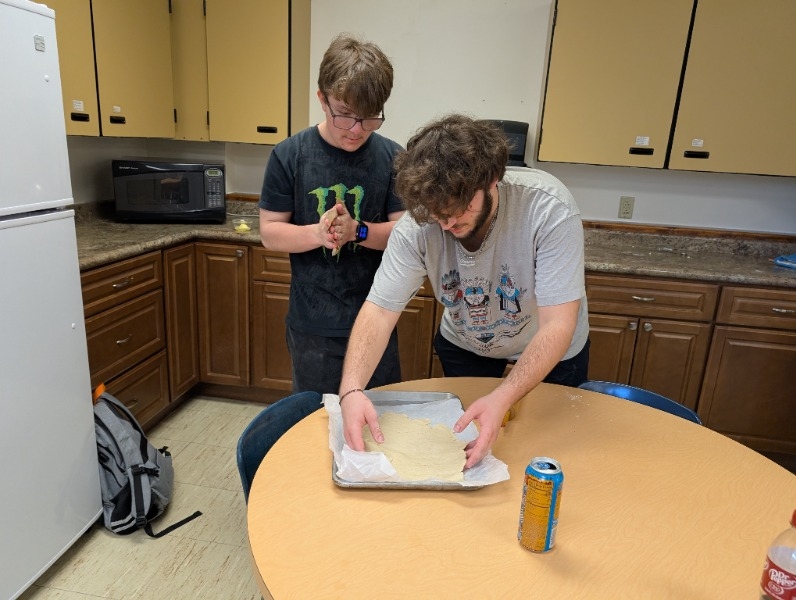
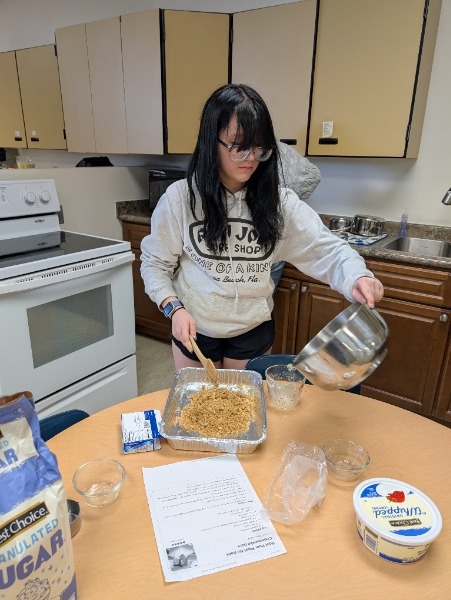
Stepping off from Nutrition and Wellness our Culinary Essentials class is mastering everything from Spoons to Skills. We started out this semester with establishing a strong foundation in the basics. This includes: food and kitchen safety; measuring accurately, mastering cooking techniques, proper dishwashing techniques, terms and conversions, and so much more. These essential learning opportunities are not just isolated lessons, together, they form the backbone of culinary literacy.
Cooking may and can be creative, but it is also a science… and as a science it demands accuracy. Utilizing the correct tools for the job such as measuring helps to ensure that the dish’s texture and flavor are not altered or compromised. Too little or too much of an ingredient may result in a culinary flop rather than a perfect souffle.
We have drilled in deeply to connect and build our culinary vocabulary and the differences in cooking techniques as well as the terms and definitions of the cutting techniques, mixing techniques, coating techniques, and other techniques ranging from blanching to venting.
One thing we love the most is cooking is one of the most practical applications of math in everyday life. This occurs when scaling recipes… ie: doubling or halving ingredients; unit conversions meaning moving between cups, ounces, etc. as well as temperature adjustments especially when considering non-stick cookware compared to regular aluminum.
All of these skills empower students to adapt recipes from different cultures, adjust serving sizes, and troubleshoot when ingredients are available in different units. These skills matter because it allows students to learn the art of time management, critical thinking and confidence. It also provides them with excellent skills and foundations for working in local restaurants and creating safe culinary experiences for both the customers as well as their employers and team members.
Think about the impact and importance of this question… If every student graduated with the ability to cook confidently from scratch, how might that change the way our communities eat, connect and live?
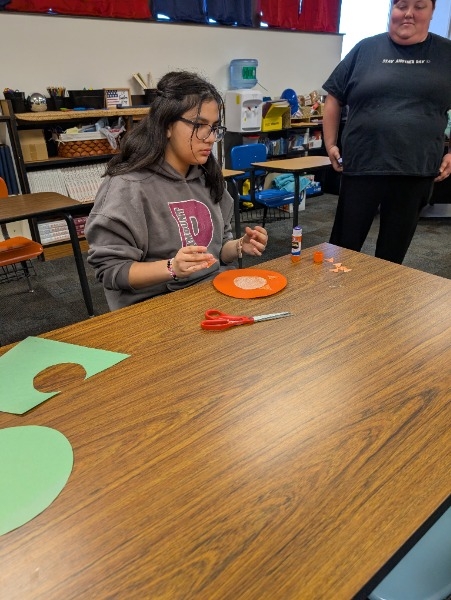
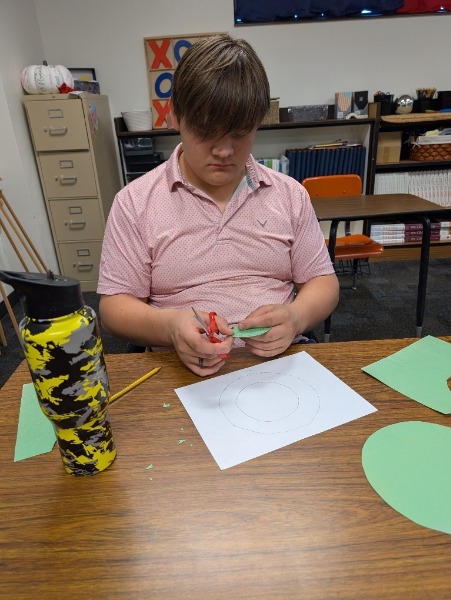
Last but not least… Charting the Future: Career and Life Planning for 8th Graders. We acknowledge that the future for many 8th graders is a very distant horizon in their eyes… something to think about or consider for “later.” Yet, honestly, middle school is the perfect time to start exploring career and life planning. The 8th graders are at a stage when they are developing self-awareness, honing decision-making skills and the ability to connect their current choices to long-term goals. By learning about their strengths, understanding, how to make informed decisions and mastering the practical life skills, they lay the foundation for success in high school, college and beyond.
Our first step toward their career exploration is self-discovery by identifying their aptitude, natural talents, interests, and skills. We also used a tool called the VARK model which helps to categorize their learning process based on VIsual, Auditory, Reading/Writing and Kinesthetic to help them understand how they learn best. Knowing one’s learning style can guide study habits, career choices and even workplace preferences.
We followed the journey of Sean Aiken from Vancouver, BC, who after graduating from college still wasn’t quite certain what he wanted to do as a career. He and his father concluded that Sean needed to figure out what he was passionate about.
Sean set out to create the one-week job in which he would work a job for a week to allow him to experience a taste of what it had to offer and then move onto a different job the next week, repeating the process until he completed 52 jobs in a year. His experience is the topic of a documentary entitled “One Week Job” and Sean has even written a book about his journey of self-discovery. We won’t spoil the ending by revealing the 3 top careers he discovered he enjoyed the most as well as what he ended up choosing! Truly an outside of the box approach and thinking process!
Recently, we spent several days focusing on the art of decision-making. We found there are 7 steps to teach us how to make a decision. This skill can be taught and practiced each and every day. These steps include: identify your wants and needs; gather information; identify your resources; identify your choices; evaluate your choices/options; make a decision; and plan how to reach your goal.
Woven in with the decision making process, we have been dipping our toes in building some financial literacy. While determining wants and needs, we are exploring basic income concepts such as calculating gross pay and calculating gross pay that may include overtime. We are making strides in the gross pay category and students are continuing their learning process for calculating the gross pay with overtime. We will continue taking little bites to ensure their foundation for this skill is strong and built until we include calculating deductions.
Connecting the dots and why it matters. One item stressed over and over is that career and life planning in 8th grade doesn’t mean they are locked into one path forever… It is about building the skills to navigate change. When we take the time to combine self-awareness, decision-making strategies, organizational habits, and financial literacy, students gain the tools to make informed choices in high school and beyond.
The earlier students learn to connect their daily actions to their future goals, the more empowered they become to shape their own lives.
Skills, knowledge, and experiences are the top priority of FACS education for our students. We strive each day to ensure they are acquiring what they need to navigate the world and set them on a path to success for their own personal journey in this life.
